PROJECTS
A selected portfolio of projects reflecting my architectural growth across commercial, residential, and complex mixed-use projects, built on hands-on design development, coordination, and technical execution.
A PORTFOLIO OF STRENGTH, SCALE, AND METICULOUS DESIGN.

01
TAWAL Car park
Tawal Car Park — Integrated parking and office extension for the TAWAL Headquarters within the Sports Boulevard development, designed across a site governed by two architectural building codes
Riyadh, KSA | 2024-2026

_2026-03-15_10-54-54.png)
_2026-03-11_19-05-47.png)
03
CONFIDENTIAL HQ - PIF
Contemporary and sustainable headquarters design for PIF in King Abdullah Financial District, including a 10-floor office tower, ground-floor enhancement design, and multidisciplinary sub-consultant coordination
Riyadh, KSA| Under Construction
Riyadh, KSA | 2025


Al Khobar, KSA | 2024
San Francisco, CA | Under Construction

09
Central Logistics Hub
Central Logistics Hub for The Red Sea, designed as a strategic operational backbone supporting all destination assets through sustainable, efficient, and integrated service infrastructure.
Res Sea, KSA | 2023

TAWAL CAR PARK
As Lead Designer, I directed the architectural and interior design development of a contemporary Salmani project rooted in traditional Najdi architecture and aligned with Saudi Vision 2030, leading the project from concept through detailed design development. Located within the Sports Boulevard development zone, the project presented a major design challenge in balancing cultural authenticity with the district’s contemporary urban vision.
SITE ANALYSIS
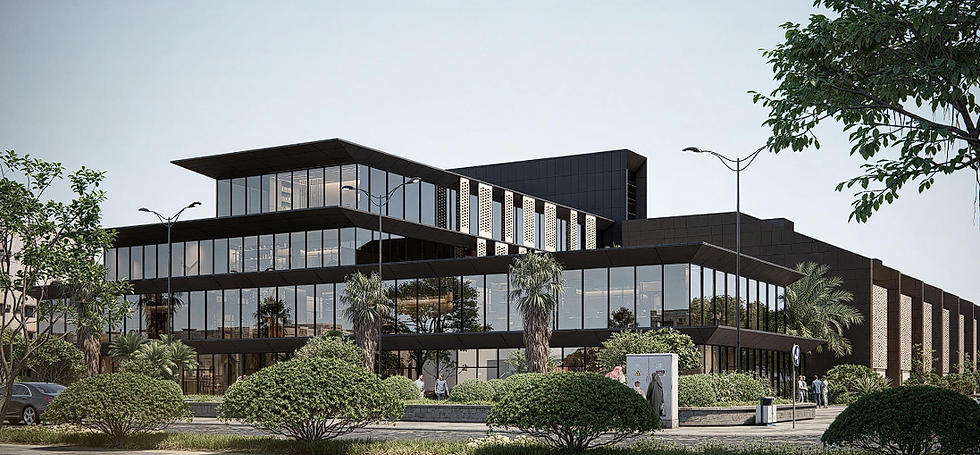
Located in Al Sahafa at the intersection of Abdullah Bin Khamis St. and Olaya St., the 1,845 sqm project consists of five parking levels and two office floors for TAWAL employees, designed to support the company’s headquarters parking demand.
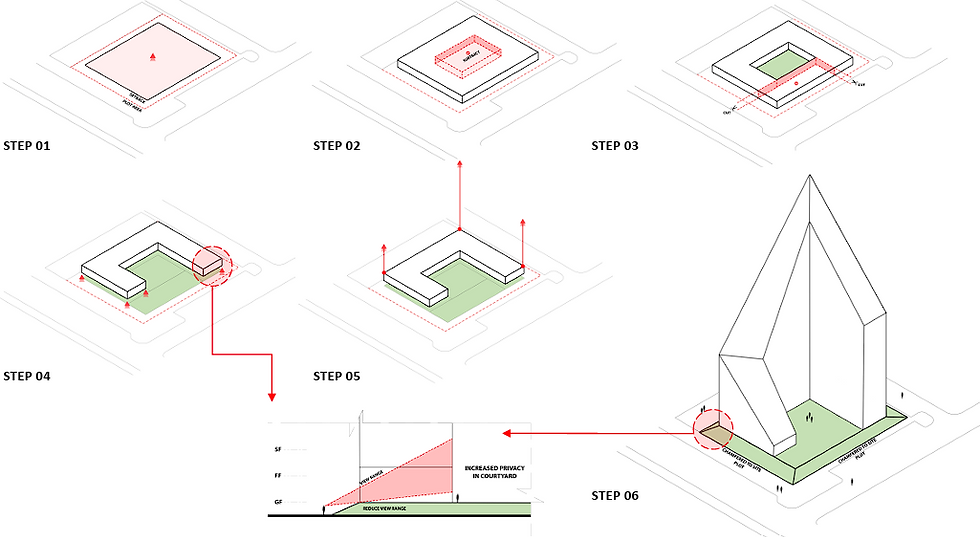
Situated within the Sports Boulevard development zone, the plot combines two zoning codes — T5.3 (commercial and mixed-use along the main road) and T4.1 (residential) — requiring a seamless integration of both regulations and skylines while complying with Sports Boulevard guidelines.


Proposed
Design Code Manual Requirements
T5.3
(1) Floors above ground: max. 5 storeys
(2) GF floor to floor height: 5.4m from the average sidewalk elevation
(3) Upper floors floor to floor height: 4m floor to floor finish level
(4) Parking: below ground floor
T4.1
1) Floors above ground: Maximum 3 storeys
(2) Ground floor height (floor to floor):Approximately 4.0 m
(3) Upper floors height (floor to floor): Approximately 4.0 m
(4) Parking: to be located primarily at the rear of the plot or below ground (basement) where applicable, in compliance with site conditions and access requirements


Due to the surrounding neighborhood context and the natural ventilation requirements of the parking structure, the façade openings were designed with a slanted geometry to ensure efficient airflow while screening parked vehicles from view, in compliance with the Sports Boulevard regulations.
OPENINGS


TAKAMOL HQ
As Lead Designer and Project Coordinator, I led the design development and multidisciplinary coordination for the new Takamol for Business Services headquarters within the Osus Development. The project was envisioned as a contemporary workplace integrating offices, learning spaces, restaurants, and communal areas to foster innovation and enhance employee experience, while aligning with the client’s brand vision and sustainability goals.

EXISTING FACADE
TREATMRNT
MAIN 3D TRAINGULATION
INTERIIOR DESIGN TREATMENT
The existing façade is analyzed and simplified into basic geometric forms, which are then abstracted through parametric triangulation to create a dynamic pattern. Finally, this triangulation is seamlessly integrated into the interior design.


The design preserves the original architectural intent by retaining key base-build elements, including marble flooring, stone cladding, and lift lobby finishes. Targeted interventions enhance both functionality and identity through integrated wooden triangulation features across walls and ceilings, a dynamic digital wall, optimized meeting room layouts, custom loose and fixed furniture, and curated lighting solutions that reinforce the overall spatial experience.


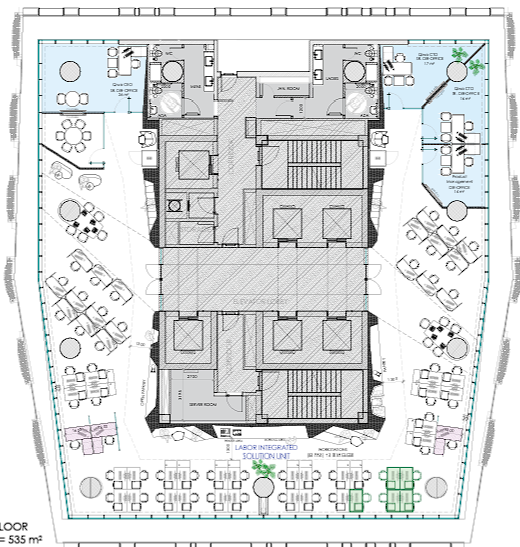

The project consists of a total built-up area of 22,793 sqm, including 8,909 sqm of office spaces, 1,366 sqm of lift lobbies, 964 sqm of toilets, 876 sqm of common areas, 352 sqm of terraces, a 640 sqm learning building, a 180 sqm F&B building, and 2,600 sqm dedicated to mechanical floors.
HQ PIF
CONFIDENTIAL
Led the interior design development and coordination for the GPLC Headquarters in KAFD, Riyadh, delivering a contemporary workplace focused on innovation, wellbeing, and sustainability. As the main lead designer and team coordinator, I managed the overall design direction, multidisciplinary coordination, and stakeholder communication across all project phases.
The project was developed with a strong focus on biophilic design, smart building technologies, and sustainable strategies targeting LEED Gold Certification, creating a refined and future-ready workplace environment.

.png)

.png)


.png)
ARCHITECTURAL STUDIES


02 AL AQIQ MIXED USE PROJECT
Produced conceptual design studies and area diagrams for a mixed-use residential and commercial development, supporting early massing, spatial planning, and functional layout optimization. (BUA 35,327 m²)

01 ALMAJDIAH OLAYA RESIDENTIAL TOWER
Developed conceptual residential diagrams and area studies supporting early-stage massing, unit distribution, and spatial organization. (BUA 29,748 m²)
Produced conceptual design studies and area diagrams for a high-rise mixed-use tower integrating hotel and residential components, supporting early massing, program layout, and spatial organization. (BUA 65,458 m² | 30 Floors)
03 King Fahd Road Mix-used Building


As the Lead Design Architect for Wave Tower, I directed the design development process from concept refinement through final coordinated design delivery. The project is a 16-story residential tower strategically located near the King Fahd Causeway in Al Khobar, offering contemporary living spaces with panoramic views of the Arabian Gulf.


WAVE TOWER

My role involved leading and coordinating multidisciplinary teams across architecture, structural engineering, MEP systems, and interior design to ensure a fully integrated and cohesive design outcome. I worked closely with all consultants and stakeholders to align technical requirements with the architectural vision, maintaining design quality, functionality, and constructability throughout all project stages.
The development features modern residential units with expansive glass façades that maximize natural light and enhance the connection to the surrounding waterfront context. In addition to the residential components, the project incorporates premium lifestyle amenities including a rooftop garden, sports club, and swimming pool, contributing to a high-end living experience tailored to contemporary urban lifestyles.
VIA Riyadh is a luxury mixed-use destination in Riyadh that brings together internationally renowned restaurants, cafés, retail, and hospitality experiences within a contemporary interpretation of Salmani Architecture.


As part of the design team, I contributed to the project from concept development through completion across several high-end restaurants and cafés, including Gymkhana, Les Deux Magots, Madeo, Bianca, Chi Spacca, Ferdi, and Joan’s.
My role focused on design development, multidisciplinary coordination, and site supervision, ensuring the successful integration of architecture, interiors, materials, and technical requirements throughout all project stages. A key challenge was adapting the principles of Salmani Architecture to create distinct hospitality environments, each with its own unique identity, atmosphere, materials, and finishes while maintaining cohesion within the overall development.
Gymkhana


For Gymkhana, the design was inspired by traditional Indian members’ clubs, featuring dark timber, brass detailing, rich textures, and warm lighting to create a refined dining atmosphere. The project required careful coordination of bespoke materials and finishes to maintain the brand’s luxurious identity within VIA Riyadh.

Madeo
For Madeo, the design reflected the elegance of a classic Italian dining experience, combining warm wood finishes, marble surfaces, soft lighting, and refined detailing to create a sophisticated yet welcoming atmosphere. The project involved close coordination of materials and interior elements to preserve the restaurant’s timeless character within VIA Riyadh.

Les deux magots


For Les Deux Magots, the design was inspired by the iconic Parisian café culture, featuring classic bistro elements, elegant woodwork, tiled finishes, and soft ambient lighting to create a timeless and refined atmosphere. The project required careful coordination of detailing and materials to reflect the brand’s historic identity within VIA Riyadh.

Chi Spacca
For Chi Spacca, the design emphasized a bold, industrial-inspired Italian steakhouse identity, using raw textures, dark finishes, exposed materials, and dramatic lighting to create a strong and immersive dining atmosphere. The project required precise coordination of bespoke interior elements to balance its rugged character with the refined standards of VIA Riyadh.
Ferdi


For Ferdi, the design captured a vibrant Parisian brasserie spirit, combining bold colors, graphic patterns, glossy finishes, and eclectic detailing to create a playful yet sophisticated dining atmosphere. The project required close coordination of finishes and interior elements to translate its distinctive brand identity within VIA Riyadh.
For Joan’s on Third, the design reflected a warm California deli-café atmosphere, using natural wood, light tones, casual textures, and soft lighting to create a welcoming and relaxed dining experience. The project required careful coordination of interior details and finishes to maintain its authentic character within VIA Riyadh.
Joan's the third

VIA RIYADH
KKIA - Airport logistics center


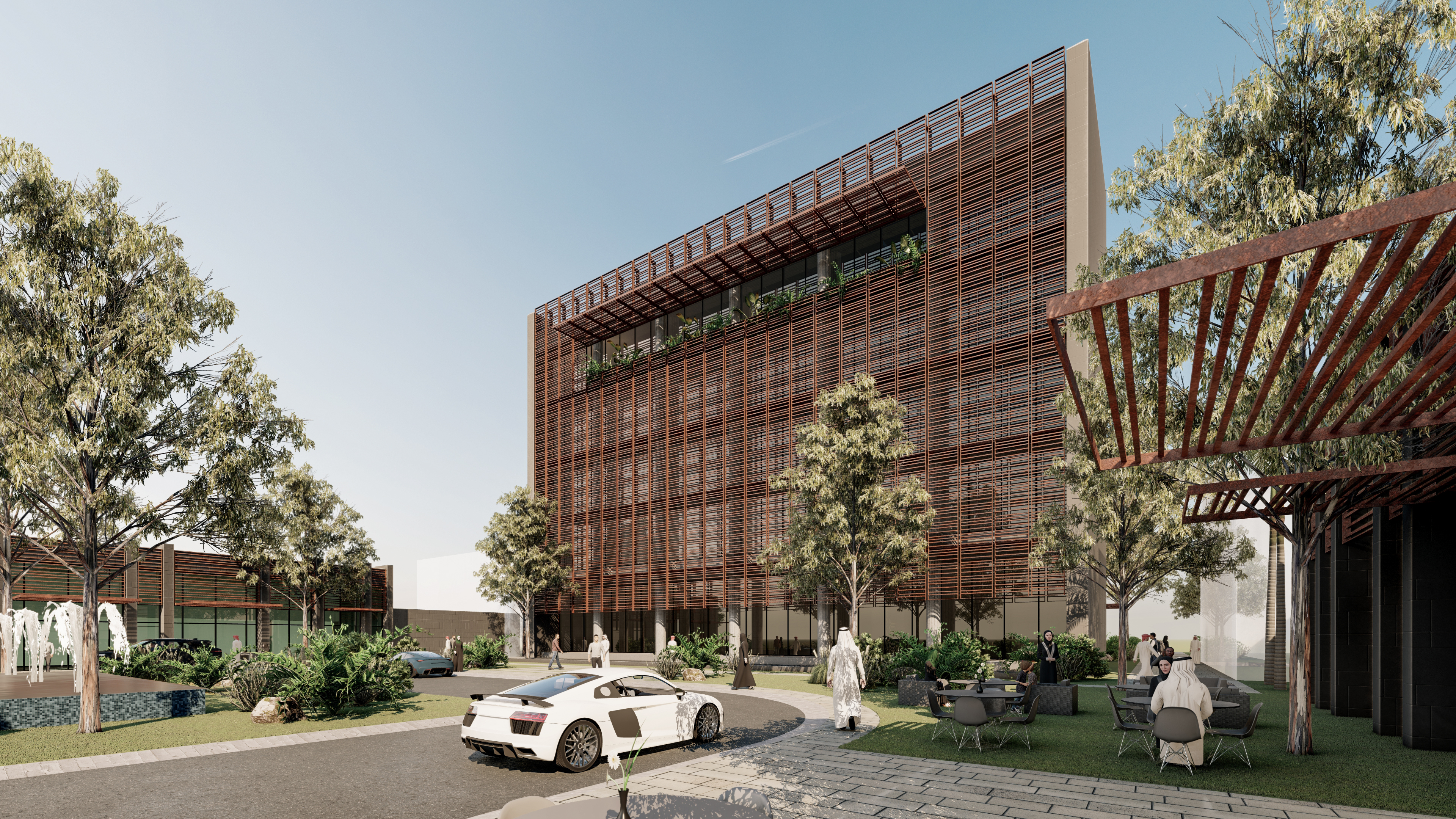
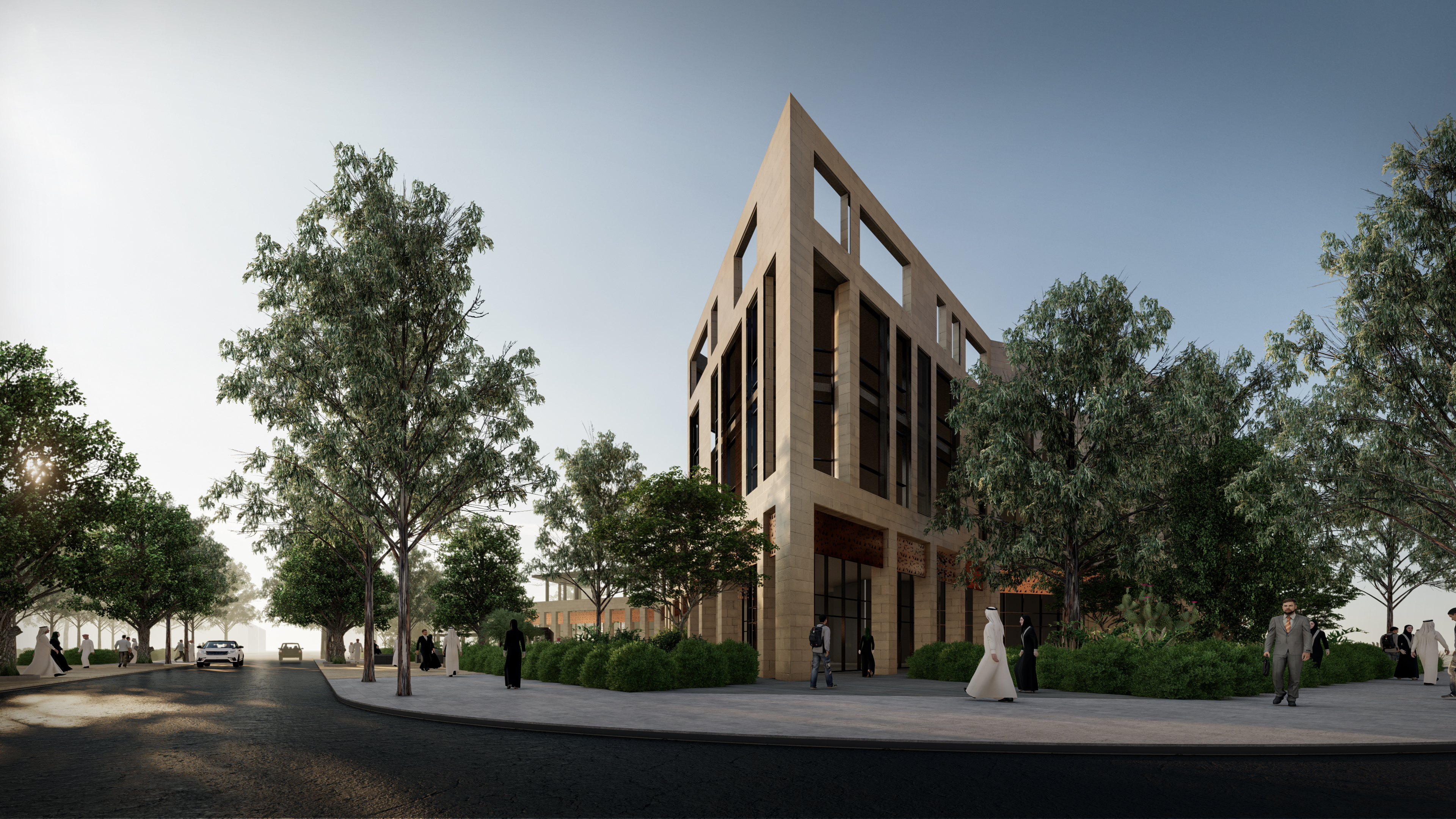
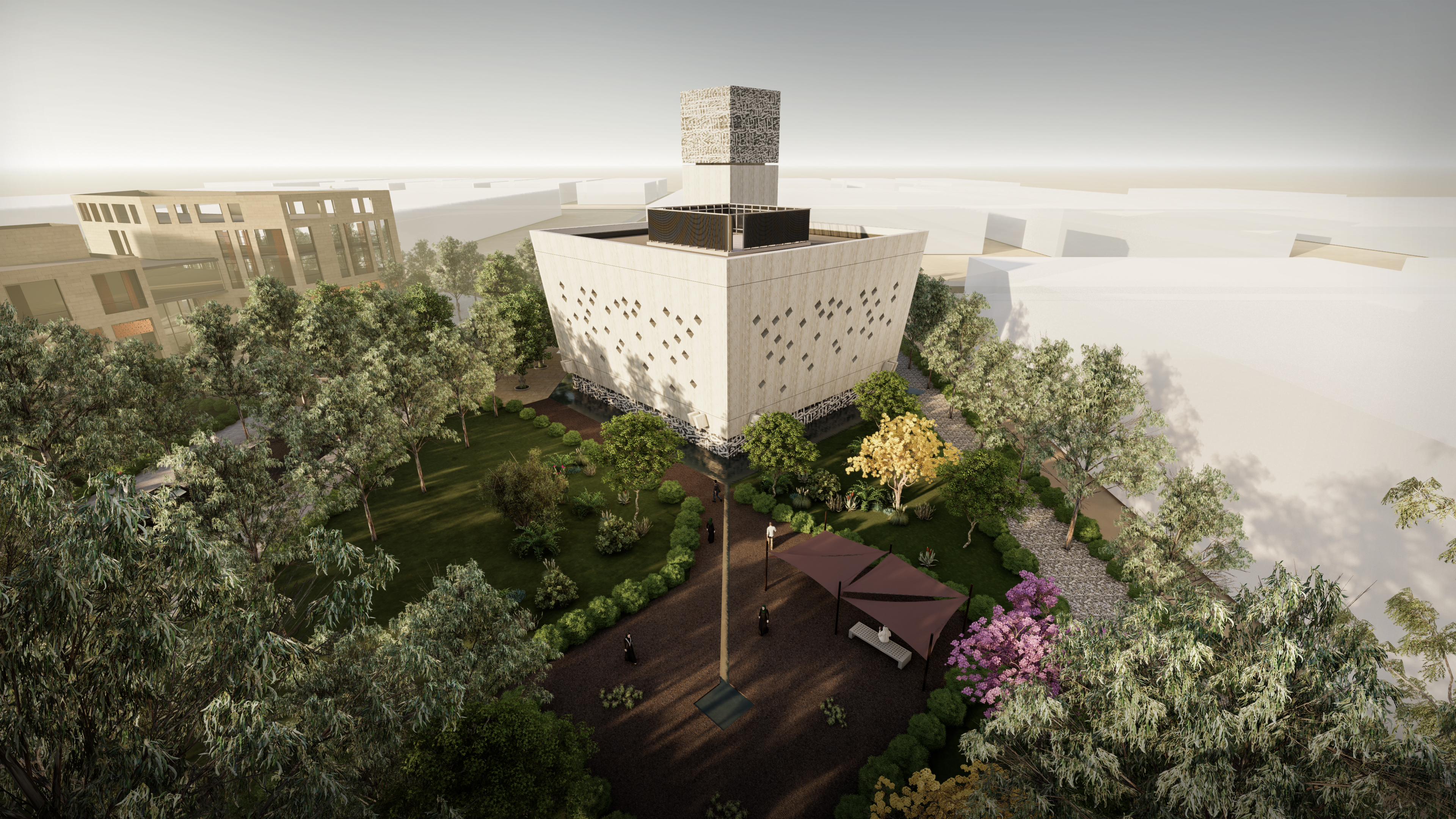
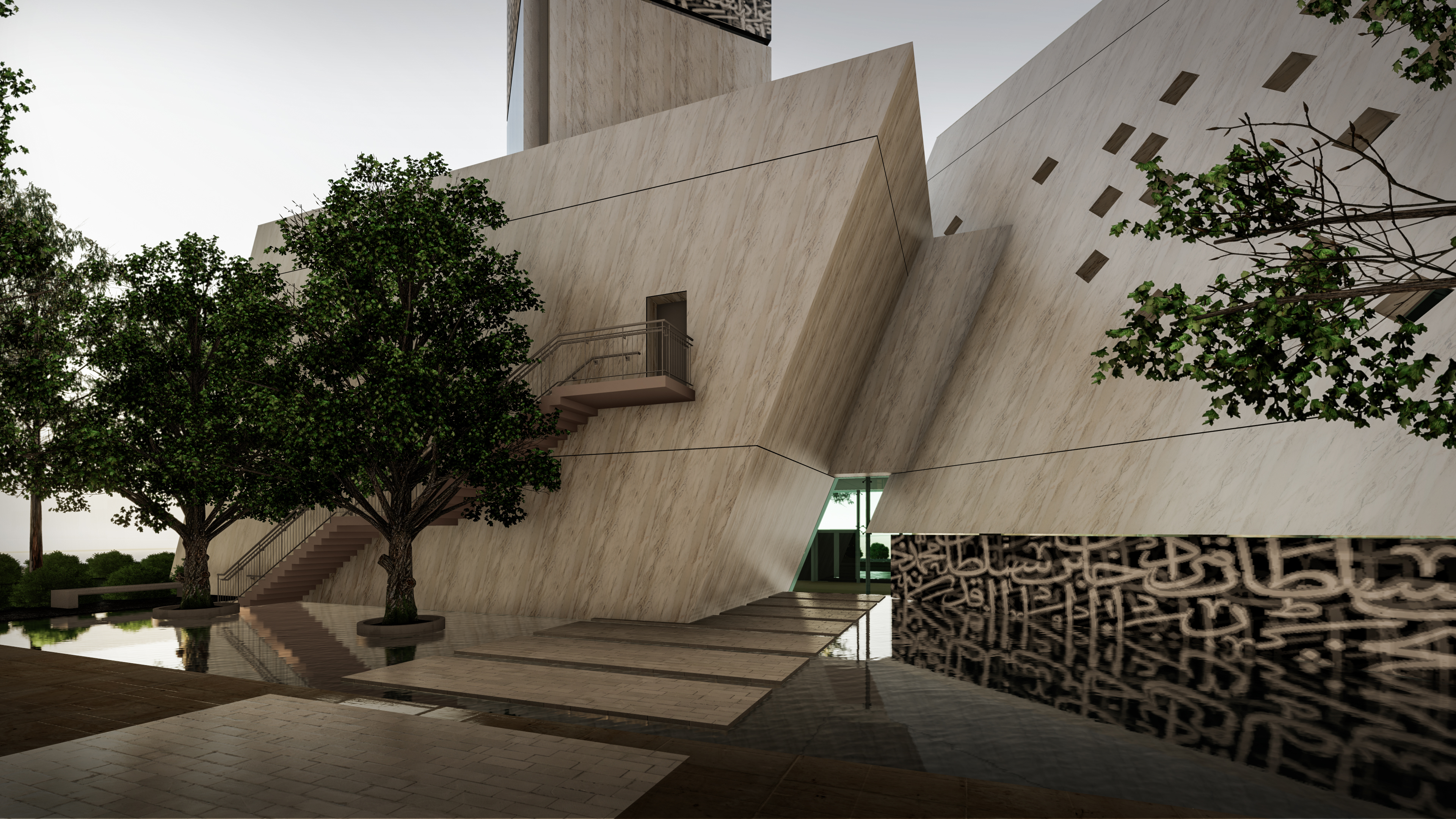
Worked as a Design Architect on the Schematic Design and Design Development stages of a large-scale project, supporting the progression of design from early concept to coordinated technical resolution. Developed and managed BIM models to ensure accuracy, coordination, and consistency across disciplines. Contributed to design refinement, spatial organization, and technical alignment while supporting consultant coordination and maintaining compliance with project requirements.
ETNO VILLAGE & ZEUS DATA CENTER


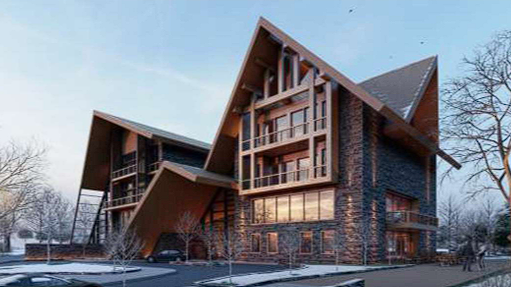
Worked as a Design Architect during the Design Development and presentation phase of this 5-star ski resort in northern Montenegro. Contributed to developing and coordinating the design through BIM workflows, ensuring alignment across architectural, structural, and MEP disciplines. Managed model coordination and clash resolution using Navisworks, supporting a fully coordinated and buildable design.
Played a key role in presentations and visual communication, translating BIM outputs and post-production visuals to communicate the design intent, spatial experience, and hospitality program, including components such as presidential suite, deluxe rooms, fine dining areas, cigar lounge, and spa & wellness facilities.
CENTRAL LOGISTIC HUB
Worked as a Design Architect during the Design Development phase of this flagship Red Sea Global project, supporting the development of a large-scale logistics campus serving the entire destination. Contributed to coordinated multidisciplinary design using BIM (Revit) and Navisworks, ensuring a clash-free model across architectural, structural, MEP, and specialist systems. Acted as a key coordination point between consultants and client teams, supporting design reviews, resolving technical interfaces, and maintaining alignment with project requirements, sustainability standards, and operational needs.

HOTEL AL AMMARIAH


Amrieh Hotel was developed as a Master’s in Architecture diploma project focused on the adaptive reuse and cultural revitalization of a historic landmark in Mount Lebanon. Originally built in the 1950s, the abandoned hotel was once a prominent social and cultural destination hosting events, concerts, and public gatherings.
The project proposed transforming the existing structure into an inclusive public and cultural hub dedicated to artists, visitors, and the local community. The intervention introduced new cultural and public functions including an underground theater, rehearsal spaces, digital museum, art center, and outdoor exhibition and performance areas, creating a dynamic environment for interaction, creativity, and community engagement.
The design approach focused on preserving the historical identity of the building while integrating contemporary architectural interventions that reconnect the project with its surrounding public realm. The proposal also addressed broader social and urban objectives by promoting cultural activity in rural areas, encouraging decentralization, and supporting the development of underutilized regions outside the capital.